


Good day, friends! I hope this finds all of you well.
Me? I’m incredibly happy. First the weather here in woody SW Michigan has been gorgeously mild and sunny—which is not always the case here in the Mitten State. More than this, I’m thrilled to have contracted an excellent, highly-respected NY editor to take on my literary fantasy novel, The Last Tale of Vastland. Huzzah! He’s booked until next spring, so it will be a bit of a road still, but hey: we’re on the move.
Now, on with today’s article…
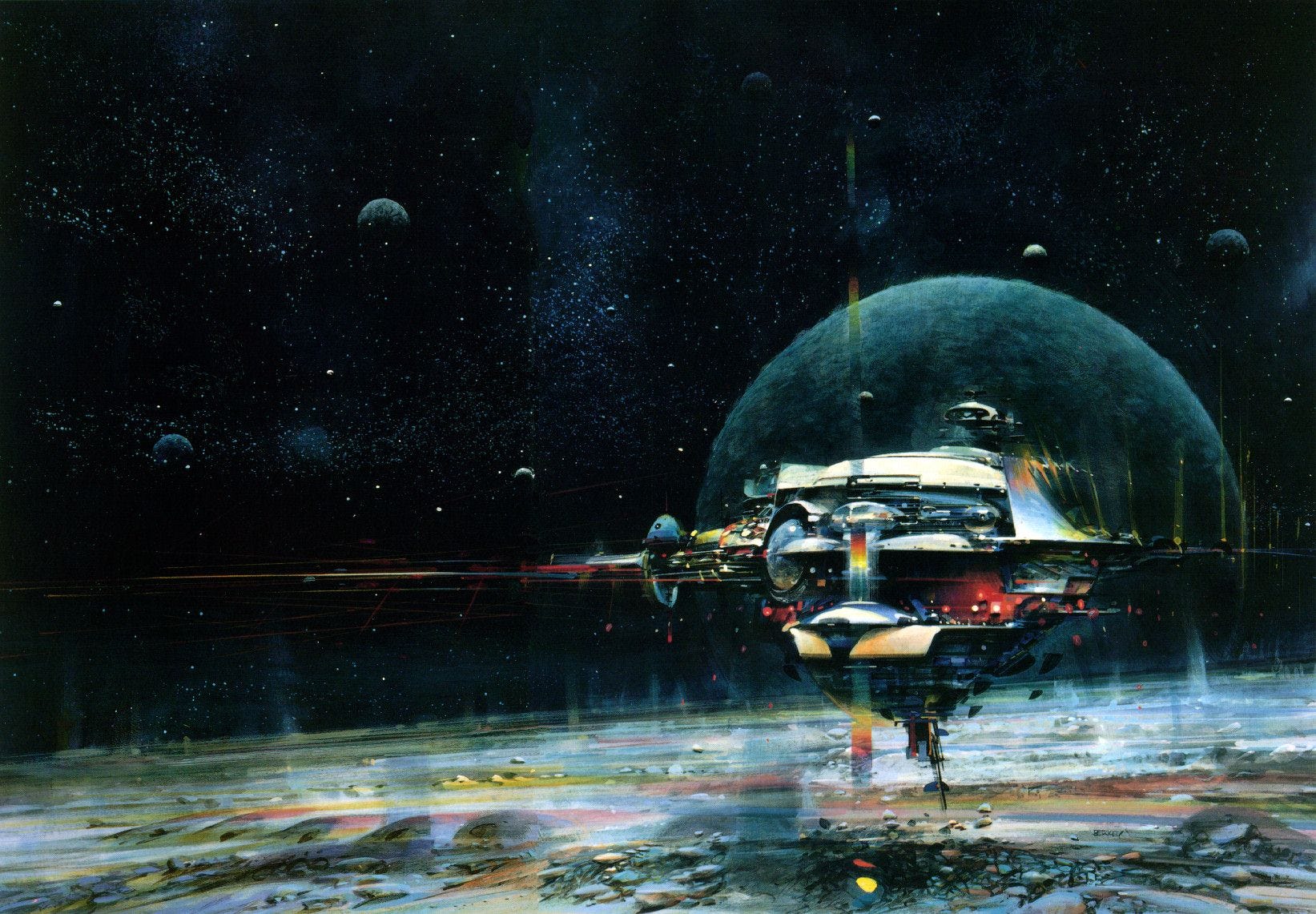
“Science fiction.”
I’ve stumbled across many definitions of the genre, all of which contain slices of truth. Typically, most zero in on SF’s focus on technologies, saying that science fiction literature explores potential gadgets, inventions, or breakthroughs. That makes sense. “Science”–-whether near-at-hand or in the distant future, whether of our own or alien origins–-seems an essential component of “science fiction,” right? If the science is missing, then the novel would fall into some other genre, such as fantasy or horror.
But granting this, as a lifelong SF reader I can’t help but sense something’s missing. Some essential element surely sets the brand apart more than cold hardware that takes us to other planets or alters humanity’s future (or, through time travel, our past).
I’m probably a bit pollyannaish here, but at its heart I tend to think sci-fi is aspirational, just as pure science truly is. It focuses on mankind’s potential, whether obtained or just out of reach. It pulls apart and rearranges the workings of the universe and asks “what is…?” or “what if we…?” So maybe “the modern literature of ideas” captures that better. Good science fiction looks at where we stand in our current day and extracts ideas to explore–sometimes stretching them to the breaking point. Unlike fantasy literature (the literature of the imagination) or horror (the literature of fear), sci-fi digs into both what “is” and what is possible–-for either good or ill–-and it embodies that through story.
The Codifiers
Science fiction has a long love-hate relationship with literature lovers like me. Even setting aside the obviously pulpy tales of robots, alien attacks, and princesses from Mars, many classics of the genre are fun reads but, well, not “great” to one who enjoys a well-crafted passage or two.
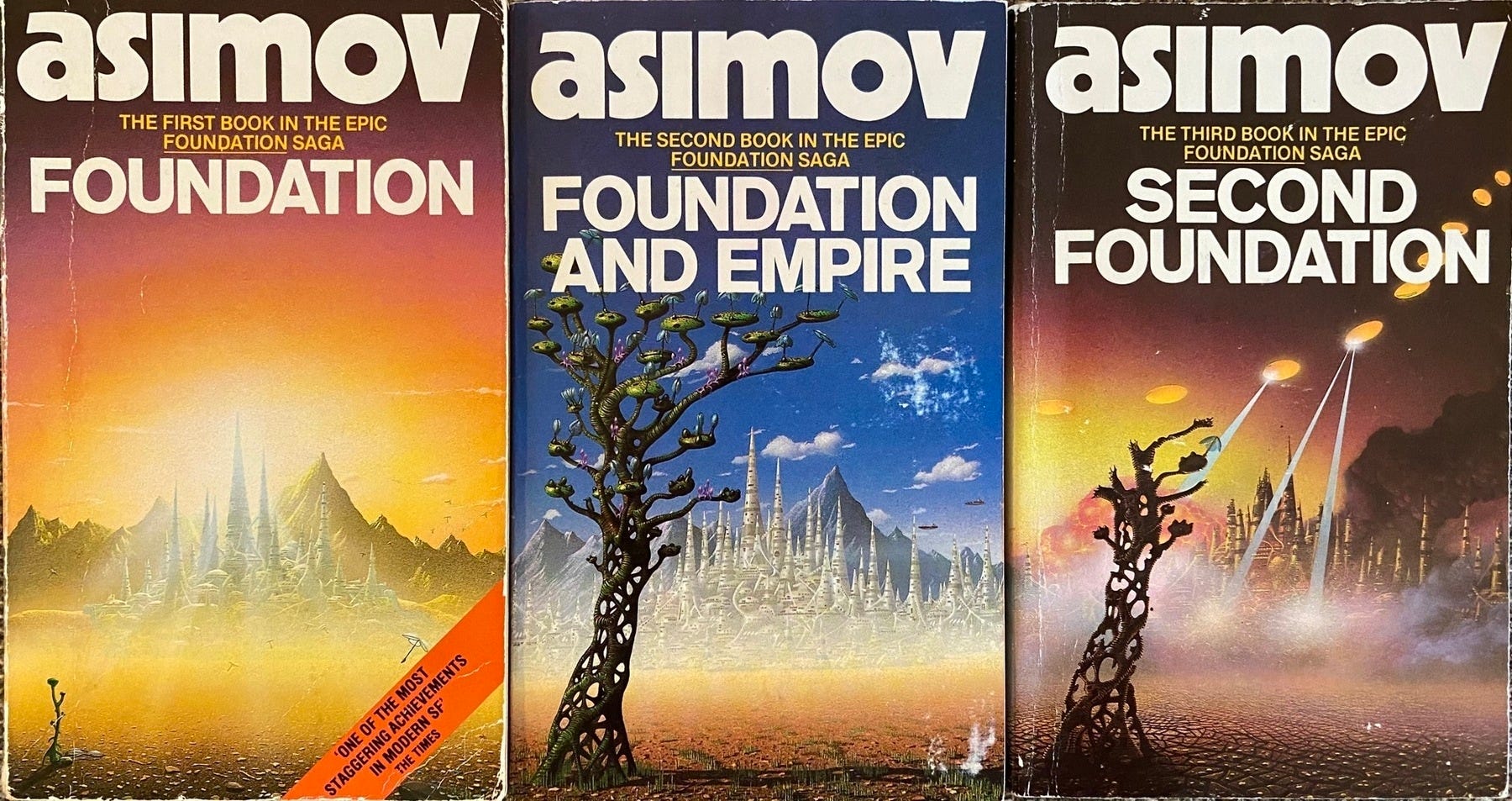
Take for example one of my early favorites, Isaac Asimov, an all-around Giant of SF who (among others) dominated the genre for decades after WWII. Fifty years ago his Foundation series was voted the most important speculative fiction in history–-beating out even Tolkien. I love Asimov, mainly out of a sense of nostalgia. For me, reading him is like a cozy quilt on a chilly night. Pure comfort. But no one would accuse old Isaac of being a prose stylist. (Not even himself.) His characters are wooden “speechifyers,” his plots–-while often clever–-are hardly sublime. And as time marches on, 35 years after his death, Asimov’s once-towering achievements are fading from public consciousness. (Despite the luminaries at Apple+ TV trying to revive Foundation…and consequently crapping all over it. Anathema! Shame on you!)

But if Asimov is rapidly being forgotten, his contributions live on. What he and his fellow Golden Age codifiers of science fiction did was reorient fiction for the 20th century. More than their eagerness to stick cyborgs or spaceships into their stories, they eagerly grappled with the science and technology reshaping human existence. To them, sci-fi grew out of and encapsulates the modern day. That is to say, the Age of Enlightenment as it’s realized, 250+ years later. The dream of a forward-looking, wholly-rationalist project, and all the hopes and disasters that arrived with it.
Naïve Origins
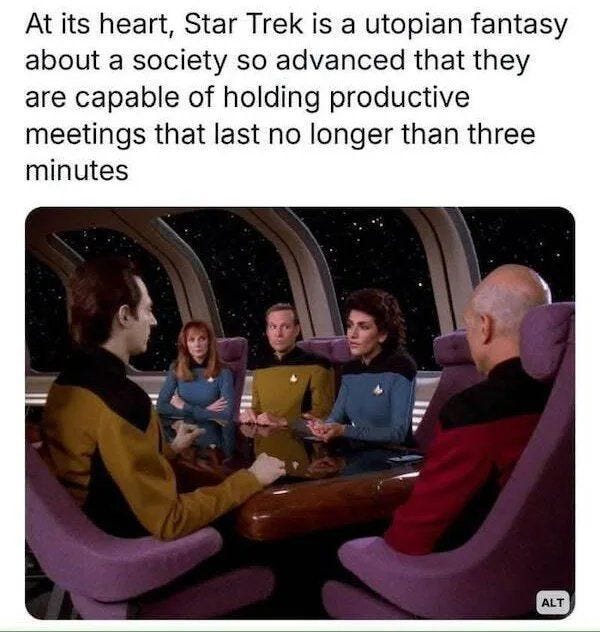
Though many stories and novels of SF’s Golden Age could be highlighted here, let’s take an easy one: Star Trek (the original series from the 1960s). I think this show’s setting perfectly captures the dream of not only using unimaginable future tech (lasers, faster-than-light travel, teleporters, etc.) but the expectation mankind will “evolve” out of our collective infancy. Though historically humanity is brutal and selfish, the starship Enterprise and the Federation show us a New Man who’s universally ruled by reason. In fact, Trek’s creator, Gene Rodenberry, famously made things tough on the Next Generation’s writers by nixing any interpersonal conflicts: greed, anger, and foibles were unavailable for their stories because, Rodenberry said, in the future we’ll progress “beyond” all that silliness.
Ah, the 1960s…
Even earlier, though, we can find that sort of bright-eyed-and-bushy-tailed naivete. Louis-Sébastien Mercier’s The Year 2440: Memoirs of the Year Two Thousand Five Hundred (France, c. 1771) depicts a marvelous 25th-century society that worships science. Although writers before Mercier had depicted the coming heavenly kingdom (e.g., Dante) or establishing perfect societies in mythical, faraway lands (even the Moon), Mercier created a utopian, far-future society right here on Earth. An attainable future by mankind’s own efforts. How? Easy: all we need to do is follow the Enlightenment’s humanist principles. Pull down religion, aristocracy, and tradition, and raise logic and science in their place. Simple. Paradise is within our grasp.
Mercier’s book was an international best seller. In fact, both Thomas Jefferson and George Washington owned copies. (Hmmm…)
Granted, not all were as naïve as Rodenberry or Mercier. Even from the beginning science fiction told cautionary tales pointing to the tension inherent in our bizarre modern day. “Reason above all,” humanity over God—or acting as God—has its problems.
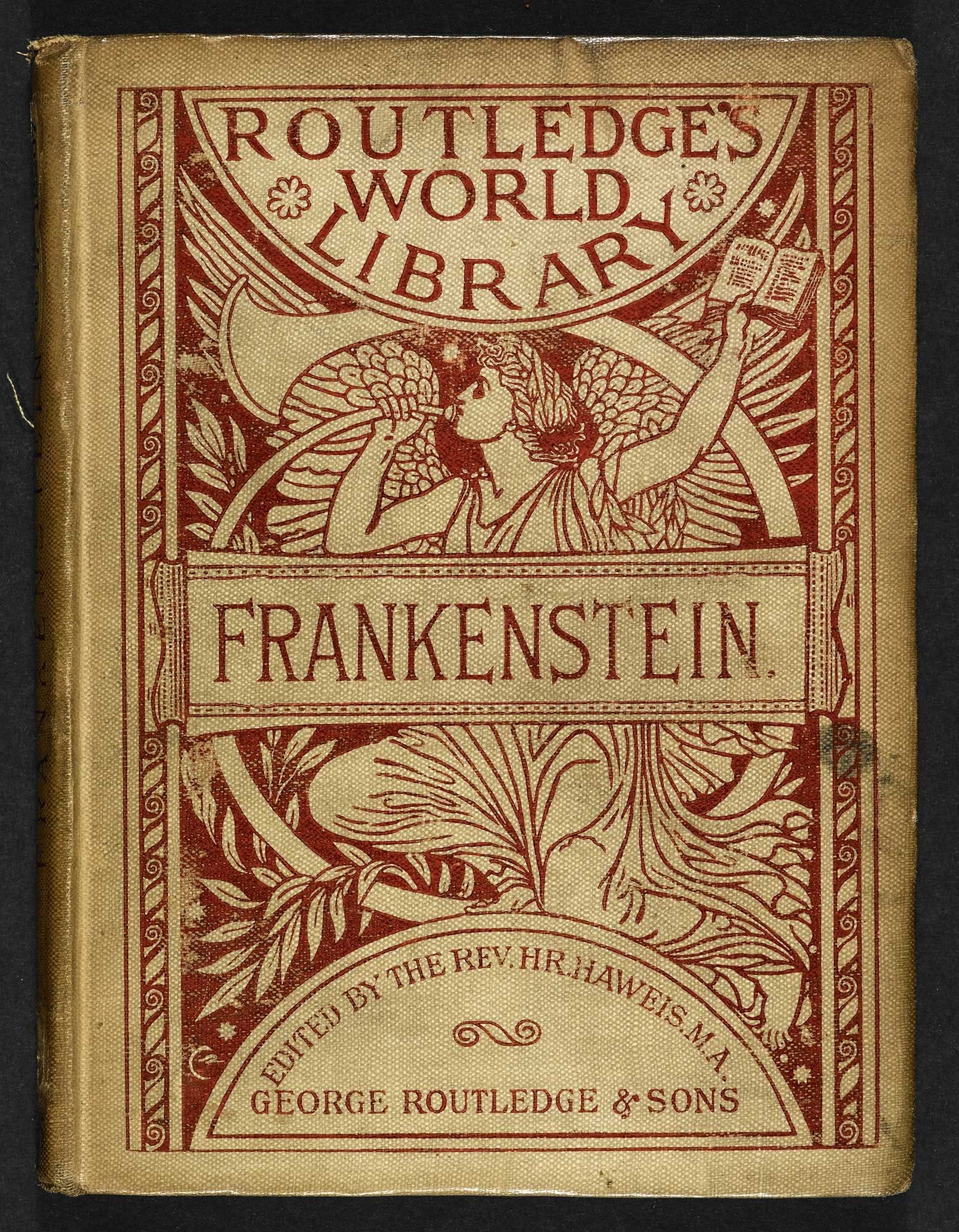
And so, literature did as literature will do, putting to work sober, observant writers who grew intensely interested in asking questions, in poking holes, in raising alarms and killing darlings of belief. Especially Enlightenment optimism. More often than not, the past century of science fiction has suggested that science–-the Enlightenment’s crown jewel–-is less often a diamond than it’s a hunk of cheap Chinese plastic. Take the Industrial Revolution’s world-shattering upheaval as proof positive of that, burning traditional beliefs, family structures, and everyday values in a foul, tar-black smoke. Mary Shelley (Frankenstein) and Robert Louis Stevenson (Jekyll & Hyde) clearly depict scientism running amok. Despite man thinking he can conquer nature through reason, not to mention transcend his own biological and spiritual makeup, we are still humans after all.
And science fiction writers picked up that ball and ran with it.
While Asimov’s comrades may have painted a picture where the nerds win the day through logic and technology, where God turns out to be a computer from the future, and where gobbledygook science such as “Psychohistory” nobly guides society through the Dark Ages, more often than not SF stories today punch us in the gut. SF authors now force us to confront uncomfortable ideas about modernity. The unexplainable. The limits of progress. Technology spinning out of our control. The impacts of both individualism and fascism (equally devastating). Alternative societies falling far, far short of utopia.
A Pathway to Wonder
Now that I’ve laid it out so neat and tidy, I have to admit that it’s not.
Truth be told, the “reactive aspect” is what interests me most in science fiction, as I come at life from a traditionalist, Orthodox Christian viewpoint. I believe we’re at the end of this era, that we’ve pushed the Enlightenment Experiment as far as it can go, and that re-enchantment is on the horizon for us.
And I’m overflowing with hope.
But science fiction will not become irrelevant–-not by a long shot–-because it’s never been pinned to “reactive” thinking. SF has always contained a strong propensity for promoting the positive aspects of the Age of Enlightenment, of which there are of course many, when not taken to extremes. Mankind’s drive to push himself, to discover new places and (possibly) new peoples. Developing inventions that truly improve life, curing diseases and eliminating hunger. Solving unsolvable problems with microscope, telescope, and computer not for any purpose, but just because they’re problems. Even finding God where we thought there were only atoms or aliens.
For as much as science fiction may serve up simpleminded ideals or dystopian warnings, it can (and very often does) bake us a heaping dish of wonder.
Thanks for stopping by the reading room today! What are your thoughts on this? Let me know in the comments.
"In fact, Trek’s creator, Gene Rodenberry, famously made things tough on the Next Generation’s writers by nixing any interpersonal conflicts: greed, anger, and foibles were unavailable for their stories because, Rodenberry said, in the future we’ll progress “beyond” all that silliness."
On this minor point, in a way this does a disservice to literature (in the broad sense) because one purpose of it is to show us how to be better, and assuming away such motives would pass up the opportunity to struggle with them.
Of course in practice they didn't eschew such stories, they simply put base motives into species with funny costumes and forehead or ear prosthetics. Ferengi, Klingon, Romunlan, Cardassian... species with vices were plentiful, and oddly this uncooperative streak didn't seem to get in the way of them spreading their seed and vision across their sector of space. Maybe Trek wasn't quite as utopian as it told itself it was.
Science describes what we can do. Religion describes what we should do. Science Fiction speculates what will actually happen, but too often falls into hyperbole to sell more copies. As much as I loved ST:NG, the crew's synergy and professionalism didn't prepare me well for working in the real-world, where the line between good and evil runs through human hearts. Great article :)